

About the teachingarea
Historic architecture is a cultural resource with a lasting impact in many respects. Each individual architectural object or building is characterized by both an artistic concept and a wide variety of influences. Building is subject to social, political, economic, material and technical conditions and possibilities that have an impact on the built environment and are reflected in architecture and urban planning. Architecture is therefore the artistic, social and historical index of our culture. Historical buildings are the witnesses of change, both good and bad, and ideally they are models for the architecture of tomorrow.
This basic understanding of architecture forms the basis of the subject area of Architectural History, Theory and Conservation in research and teaching. Accordingly, it provides students with a basic knowledge of the history of architecture and urban planning, both as an overview and on individual buildings from early civilizations to the present day. Its main task is to examine historical architecture and urban planning, architectural theory discourses and monument conservation methods, to critically question them and to transfer them to the present.
News:
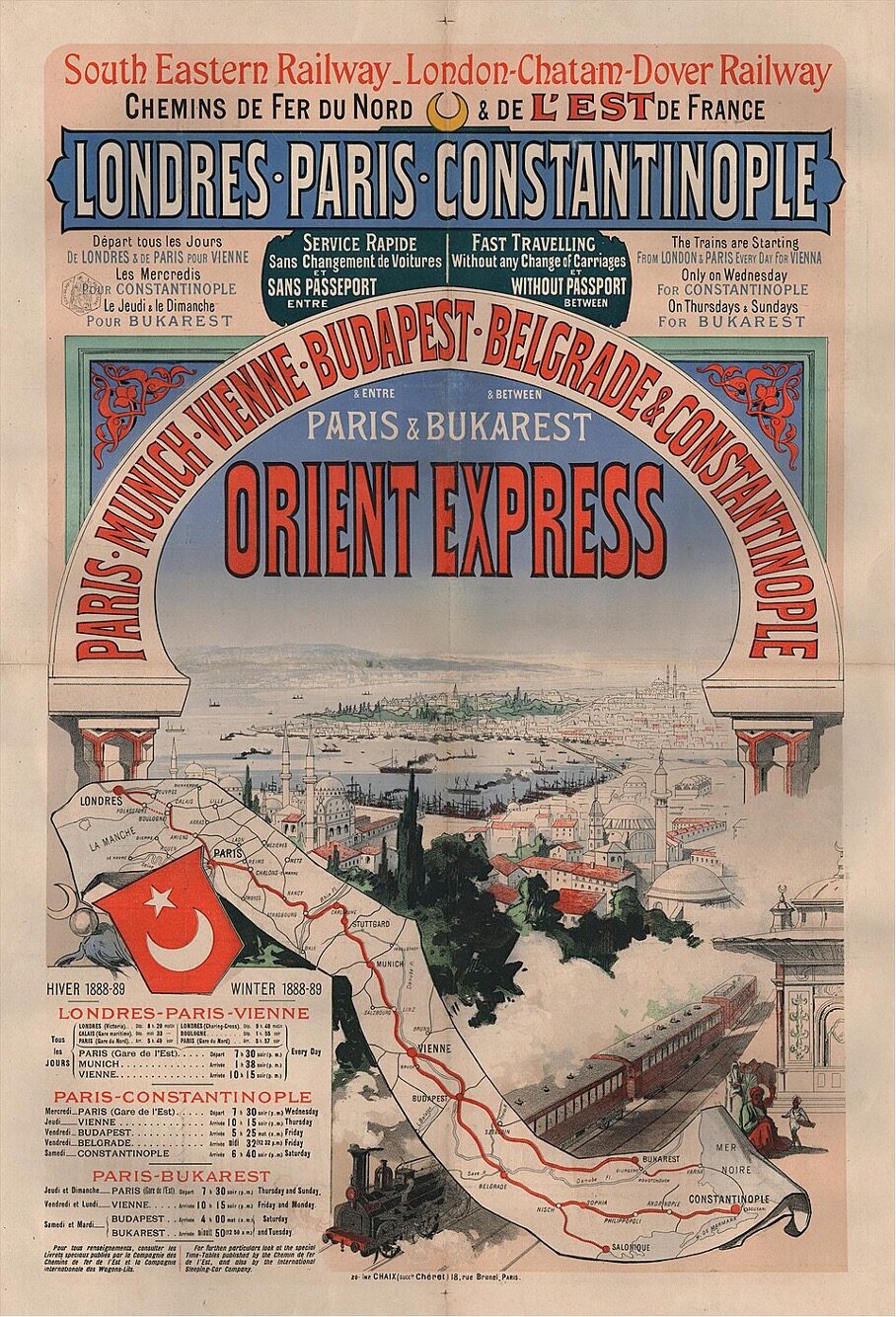
Research Project:
"Transnational Identities on the Simplon-Orient Express (1920–1940)"
Transnational transportation networks played an important role in the technological, economic, and political integration of Europe during the twentieth century. However, their cultural impact on the formation of shared identities across borders during the interwar period has been little studied. This project examines how collective identities were expressed and exchanged through material culture and architecture along such a network: the Simplon-Orient Express (1920–1940). It develops a new interdisciplinary approach to examining the transfer of collective identities through technological installations. The Simplon-Orient-Express was the southern leg of the Paris–Istanbul rail link, which began operating with the opening of the Simplon Tunnel (1920) between Switzerland and Italy. This well-documented train route was famous for its luxurious first-class cars, which offered elite travelers a high level of comfort and service. During the interwar years, second- and third-class sections were introduced. As empires collapsed and new nations were founded, cities such as Trieste, Zagreb, Belgrade, and Niš emerged as new centers of regional and international significance. This project suggests that members of the local upper classes in these cities saw themselves as part of a broader European, cosmopolitan bourgeoisie, rather than orienting themselves exclusively toward local identities and processes of nation-building. They used concepts such as technological innovation, comfort, and luxury, as well as their access to exclusive travel and leisure spaces, to express their status.
Rather than private homes, the research examines semi-public spaces frequented by local elites and international travelers: hotels, coffeehouses, and restaurants at selected stops along the route, as well as the train’s rolling stock itself—sleeper, dining, and parlor cars. These interiors served as spaces for socializing, networking, and self-expression. The central contribution lies in a method that allows us to examine how identities migrate across borders through built environments and mobile infrastructures—and how fixed and mobile, active and dormant spaces interact to shape social experience and identity formation. In doing so, it demonstrates how technology and design conveyed exclusivity and identity, and—by focusing on cultural identity and the communities of the Balkans—offers a new perspective on the influence of engineering and technology on European integration.
Dr. Charlotte Rottiers is working on the project, which is based at the Chair of Architectural History, Theory, and Preservation led by Prof. Dr. Christiane Fülscher. The project began in May 2026 and is generously funded by the Gerda Henkel Foundation.
Dr. Charlotte Rottiers
Contact and team
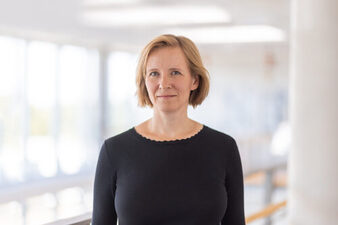
Prof. Christiane Fülscher, Dr.
- +49 231 91124466
by arrangement

Visiting Female Scholars:
Lecturer:
PD Dr. Beate Löffler
Student assistants:
Emily Wiese