


Über das Projekt
Das Projekt ist abgeschlossen. Diese Seite wird nicht mehr aktualisiert.
Das Projekt InTraHealth will die Gesundheitsversorgung von inter* und trans Menschen verbessern. Unter Leitung von Prof. Dr. Gabriele Dennert und in Kooperation mit der Technischen Hochschule Köln sowie den Kliniken Köln wird eine interaktive Online-Selbstlernumgebung für Gesundheitsfachkräfte entwickelt. Gesundheitsfachkräfte sollen so gezielt sensibilisiert werden, damit sich die medizinische Versorgungsqualität und -zufriedenheit für inter* und trans Personen verbessert.
Hintergrund
Ziel des Projekts
Projektbeirat
Ressourcen
Kontakt & Team
Leitung
Professur für Sozialmedizin und Public Health mit Schwerpunkt Geschlecht und Diversität
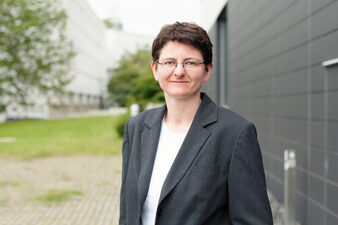
Prof. Gabriele Dennert, Dr.
- 0231 91124911
Siehe elektronischer Sprechstundenkalender in Ilias
Team im Fachbereich "Angewandte Sozialwissenschaften" der FH Dortmund
Das Team besteht aus diversen Professuren, wissenschaftlichen Mitarbeitenden und Hilfskräften. Es setzt sich aus folgenden Institutionen zusammen:
- Fachbereich "Angewandte Sozialwissenschaften" der FH Dortmund
- Fakultät für Informatik und Ingenieurwissenschaften der TH Köln
- Fakultät für Informations- und Kommnikationswissenschaften der TH Köln
- Kliniken Köln